Email: rachel@seewellab.com / meilaibolab@gmail.com Tel: 0755-23699411
Email: rachel@seewellab.com / meilaibolab@gmail.com Tel: 0755-23699411

Laboratory dry baths are essential scientific tools that enable users to conduct experiments and tests at precise temperatures by creating a controlled temperature environment.
These devices are typically designed with a stainless steel chamber equipped with a sealed microprocessor control unit and a user-friendly digital interface located on the exterior front.
The top of the chamber contains an embedded aluminium heat block(s) that facilitates sample incubation and temperature regulation.
The heat block in a dry bath is linked to the heating control unit and features multiple conical pockets of varying sizes. These pockets are designed to accommodate sample containers of different sizes and allow users to conveniently incubate their samples at their desired temperature.
Modern dry baths are predominantly digital, featuring microchip technology that enables users to set precise temperature points and monitor real-time temperature fluctuations through an intuitive touchscreen user interface. This digital functionality eliminates the need for an external thermometer, which was previously required to adjust and monitor analog dry baths.
Digital dry baths of today come equipped with a wide range of customizable features that can be tailored to meet the specific needs for users. When in the process of buying a digital dry bath, there are several factors that one should take into consideration. These include:
Dry baths are suitable for various settings. Laboratories that require dry baths for a particular routine may opt for dry baths equipped with multiple heat blocks instead of purchasing multiple dry baths. This can be a cost-effective solution, as it allows users to perform multiple experiments or tests simultaneously within a single device.
For example, the seewellab MDB-104D is a four-block dry bath that can be customized to accommodate sample containers of various sizes. This versatility allows it to incubate multiple samples at a consistent temperature simultaneously, making it a highly efficient tool for laboratories. You can contact us to get the catalog for more information
For routine work, dry baths with multiple heat blocks are cost-effective, while multiple individual dry baths are more flexible for research labs with varied protocols and multiple users.
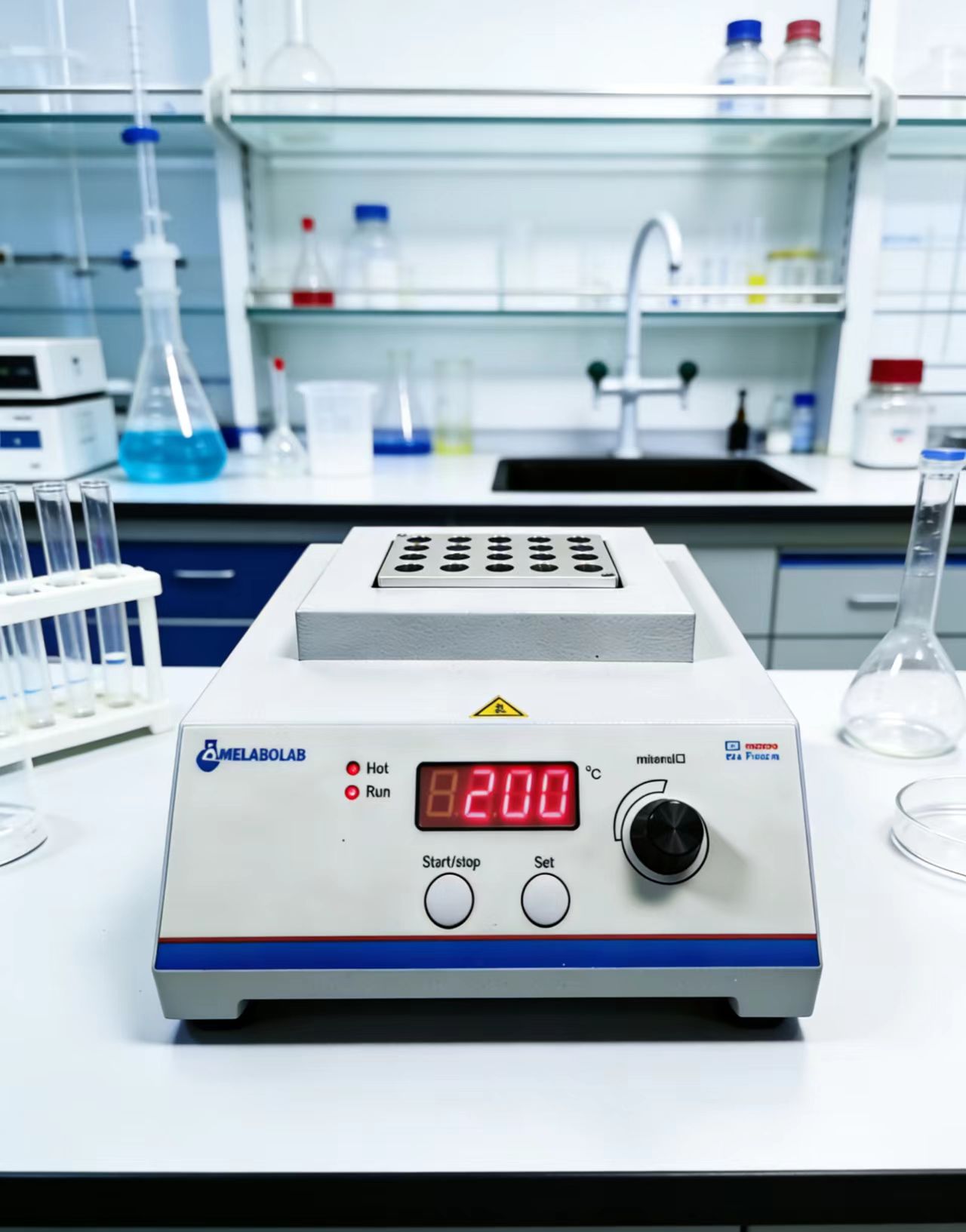
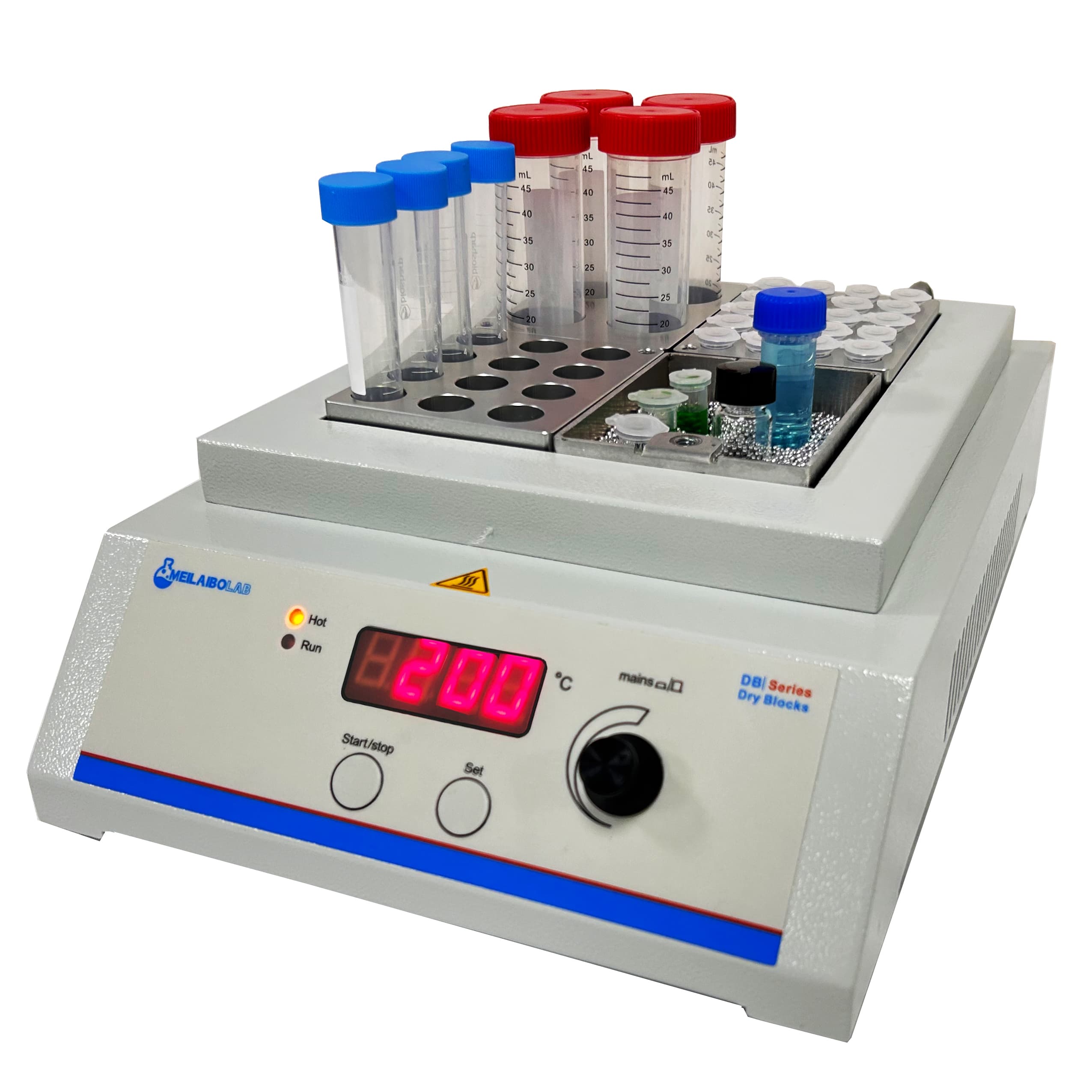
When selecting a dry bath, it’s essential to consider the number and composition of the heat blocks. For laboratories with specific sample requirements and testing protocols, it is advisable to opt for a dry bath with a fixed heat block. This allows users to select a heat block with pocket sizes compatible with their most commonly used container sizes, ensuring optimal performance and efficience.
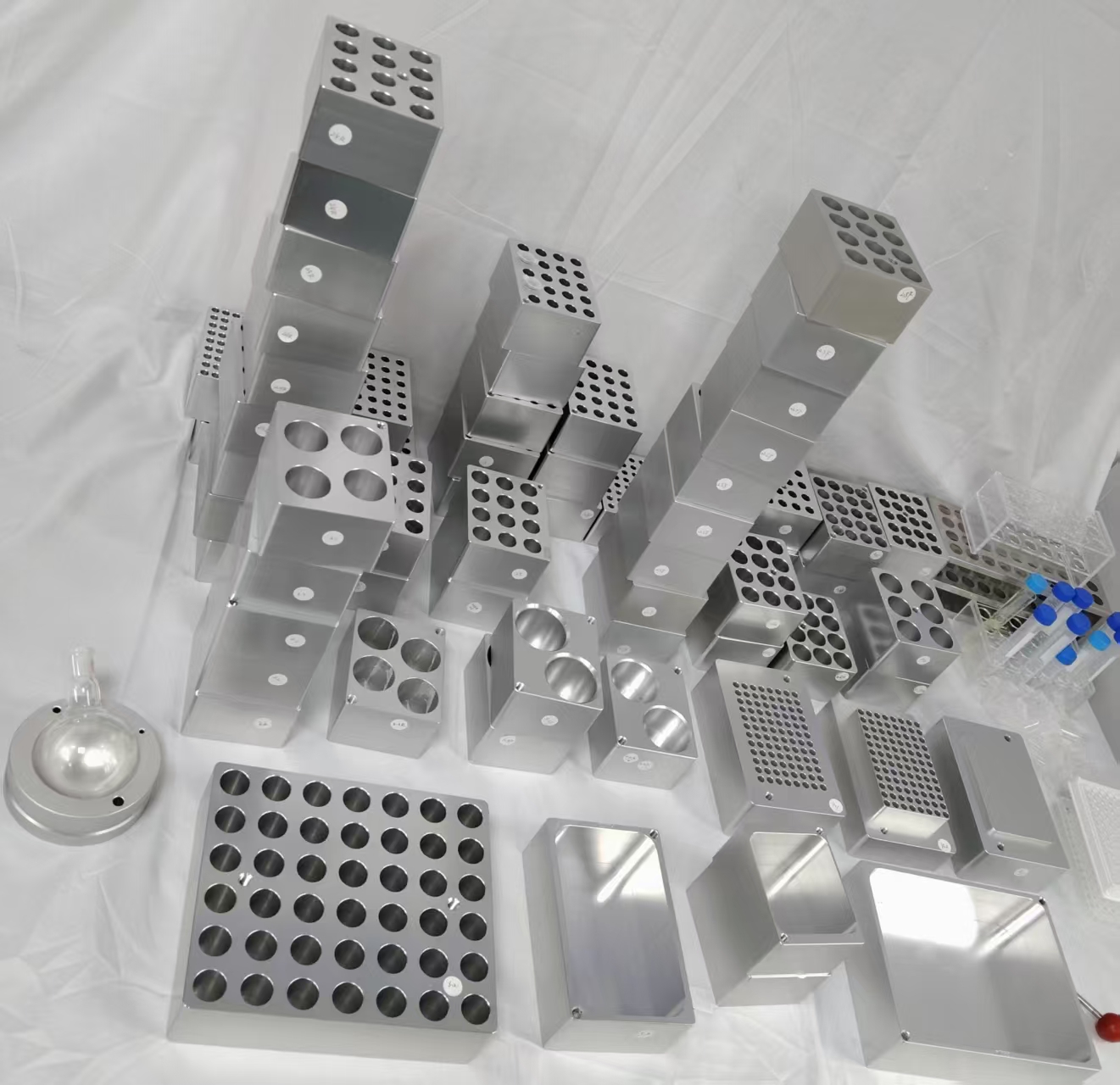
In contrast, laboratories that handle a variety of sample types or container sizes can find dry baths with removable heat blocks, to be more beneficial, which have removable aluminum heat blocks that can accommodate 0.5, 1.5, 2, 15, and 50mL conical tubes, 0.1ml/0.2ml PCR tubes used in most research, analytical, and clinical settings.
Dry baths typically have the ability to generate temperatures ranging from 5°C above the surrounding environment up to 120°C. Newer dry bath models come equipped with cooling capabilities, allowing them to achieve temperatures below room temperature. The selection of temperature range is primarily dependent on the specific applications for which the dry bath will be used.
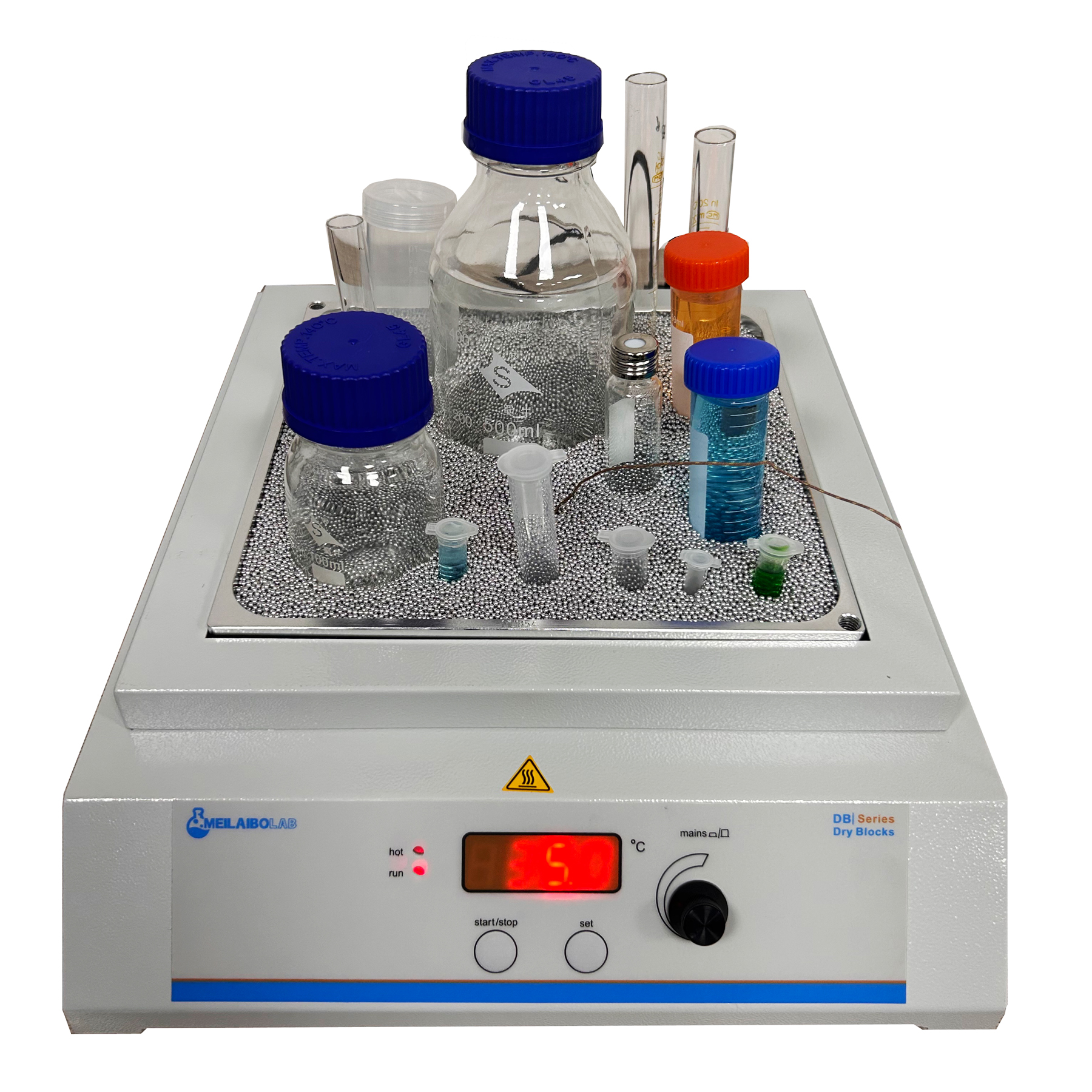
Dry baths typically produce temperatures in increments of 0.1 to 0.3°C and offer comparable levels of accuracy and uniformity. It is generally recommended that temperature fluctuation should not exceed ±0.5°C to prevent any potential impact on biological and chemical tests. Fortunately, modern digital dry baths come equipped with a user calibration mode that allows users to verify and recalibrate the displayed temperature, ensuring consistent and reliable temperature control.
In addition to heat block and temperature-related features, many digital dry baths are also equipped with a timer function. This feature enables users to set a timer for the duration of the dry bath’s operation at a specific temperature, as well as monitor how long it has been running at that temperature. With the timer function, users can conveniently set their desired temperature and walk away, returning only when their work is complete.
Contact: Rachel Liu / Coral Hoo
Phone: 15907559178 / 13302921696
Tel: 0755-23699411
Email: rachel@seewellab.com / meilaibolab@gmail.com
Add: 3rd Floor,Licai Building,Longhua Street, Longhua District,Shenzhen ,Guangdong,China
We chat